Associations between Assisted Reproductive Technologies and women’s mental health
Home › Research and implementation › Our research areas › Maternity and perinatal mental health
3 May 2020 — adopted March 2020 • completing January 2022
Associations between Assisted Reproductive Technologies and women’s mental health
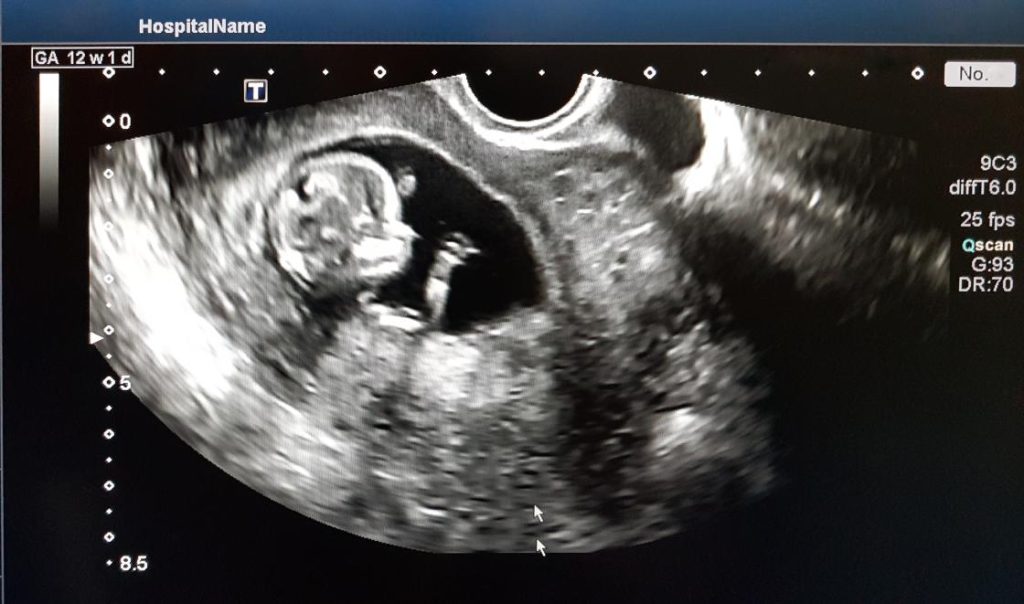
In the UK, approximately 20,000 children are born through Assisted Reproductive Technologies (ART) each year, a figure likely to rise. Engaging in ART is inevitably stressful, with many expectations and disappointments.
children are born through Assisted Reproductive Technologies (ART) in the UK every year — a figure likely to rise
We already know that infertility can induce considerable life stress and can include societal repercussions and personal suffering. Compared to those who are fertile, women who experience infertility are more likely to experience a mental health problem.
This study will be the first to evaluate the burden of mental health problems associated with ART pregnancies, providing an evidence base to improve understanding of risks and experiences, inform service improvement and guide targeted intervention.
About the project
This project is made up of four research studies, each examining a distinct aspect of the relationship between ART and mental health. Together they will build a comprehensive picture of psychiatric risk and outcomes for women undergoing ART.
The four studies
This study explores the psychiatric morbidity of those receiving ART — examining the numbers and experiences of people with specific diagnoses of severe mental illness (SMI) who are receiving ART, compared to those with SMI who have conceived naturally.
This study explores the risk of SMI following ART. It is hypothesised that ART will not increase the overall risk of SMI. However, women with a more recent episode of SMI prior to ART (within five years) may have increased vulnerability after birth — making this an important area for pre-treatment screening.
This study explores the risk of postpartum psychosis following ART compared to natural conception. It is hypothesised that women undergoing ART are at increased risk of PPP — and that any increase may be explained by confounding variables such as maternal characteristics and ART-associated post-pregnancy complications, rather than the treatments themselves.
This study investigates the impact of a historic diagnosis of SMI on the success of ART treatment outcomes, including number of cycles and successful pregnancy. Historic diagnoses will be identified through the Clinical Record Interactive Search (CRIS) database. It is hypothesised that women with prior SMI would have poorer treatment outcomes than those without.
How the project will be carried out
The research team aim to link the CRIS database with the Human Fertilisation and Embryology Authority (HFEA) to create a fully anonymised individual-level dataset for all people who live in the South London and Maudsley NHS Foundation Trust (SLaM) local catchment area and have received ART.
This includes people who live in the London boroughs of:
Lambeth
Southwark
Lewisham
Croydon
Potential benefits of the research to people in south London
This research will provide a strong evidence base to improve understanding of people’s risks and experiences, inform service improvement, and guide targeted intervention to improve outcomes for those using ART. As south London has a socially and ethnically diverse population, the findings will be particularly informative for women from these communities undergoing ART.
Findings from this research will provide benefits to both individuals and the NHS, including:
Improved wellbeing for women undergoing ART and their families
Significant economic savings to the NHS through targeted, evidence-based screening and intervention
Improved service design and pre-treatment procedures for women with a history of severe mental illness
Funded by the Psychiatry Research Trust (KCL) from the Chairman’s Fund. Adopted by ARC South London Executive March 2020. Completing January 2022.
Project lead

Related content
- →
Is intimate partner violence an effect modifier for psychosocial interventions for women’s mental health in LMICs? - →
Optimising psychological treatment for anxiety disorders in pregnancy: a feasibility randomised controlled trial - →
Maternity and perinatal mental health research at ARC South London
Original source: arc-sl.nihr.ac.uk — NIHR ARC South London legacy content archived May 2026.