Improving representation in maternity research
Home › Research and implementation › Our research areas › Maternity and perinatal mental health
19 December 2023 — January 2024 to January 2026
Improving representation in maternity research
In the UK, women from a Black, Asian or mixed ethnicity background are more likely to die in pregnancy compared to white women, and to experience stillbirth or the death of their baby within a month of birth.
Women from ethnic minority groups are also more likely to experience other complications in pregnancy and report poorer experiences of care. Discrimination and structural racism will contribute to these inequalities, which must be addressed by organisations.
Government and professional groups call for research to be undertaken to understand additional reasons which may contribute to inequalities, and to guide improved care.
However, it is recognised that people from ethnic minority backgrounds are not represented in research as often as those from white British backgrounds. This can mean the research which care is based on may not apply to people from ethnic minority groups.
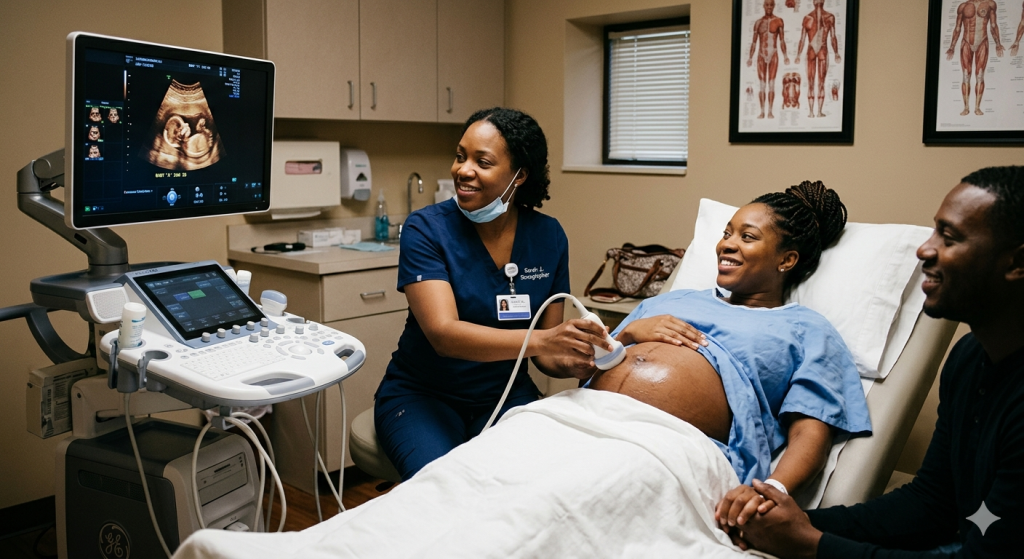
There is published guidance for those who design research to make it accessible for people from ethnic minority groups, but there is little advice for staff who work in research delivery and recruit participants to trials designed by others.
Guidance is needed for those that approach and recruit participants to better facilitate participation from ethnic minority groups.
Project aims
This research aims to co-design a toolkit or guidance which can be used to improve the inclusion of women from ethnic minority backgrounds in maternity research — enabling research that aims to improve care to be applicable to the population who currently experience the poorest outcomes.
How public involvement shaped the focus of this project
The initial research proposal was an in-depth exploration of the factors which influenced participation in maternity research for those from ethnic minority groups. However, public members of the ARC South London Involvement in Research event gave clear feedback:
“They did not want another report of barriers, but instead work needed to be conducted to initiate a change.”
This feedback led to changing the focus of the project to developing a concrete output that could be used to improve representation.

How the research will be carried out
A Participatory Action Research (PAR) approach will be used to co-develop the resource. The PAR approach works with the community to make sure the research is guided by those who it hopes to benefit. Women and birthing people from ethnic minority backgrounds will be part of the project team as peer researchers, involved throughout the entire project.
The research has three stages:
Investigation
Focus groups and interviews to explore the perceptions of those who have used maternity services, research delivery and clinical staff, and those who design studies — investigating what influences the participation of women from ethnic minority groups in research.
World Café event
Findings will be analysed to identify key themes, developed into questions, and presented at a World Café (WC) event attended by participants from stage one. Participants will rotate through a series of round table discussions to explore solutions to the questions presented.
Co-development of the resource
World Café findings will be analysed and refined with the peer researchers to co-develop a resource that can be used by research delivery staff in maternity settings to improve the recruitment of ethnically diverse women.
Our collaborators
- Homerton Healthcare NHS Foundation Trust
- Leeds Teaching Hospitals NHS Trust
- Reproductive Health and Childbirth National Research Champions
How patients and the public are involved
The initial research proposal and funding application was developed through patient and public involvement and engagement. The project lead attended an ARC South London Involvement in Research event where she discussed the project with community members and the equity, diversity and inclusion lead.

Holly Lovell
Clinical research midwife, King’s College London — project lead
Peer research
Peer researchers form part of the research team. These are members of the local community who have experienced maternity services and are from different ethnic minority groups. They will be involved in:
✓
Ethics applications
✓
Design of recruitment adverts and participant information sheets
✓
Development of topic guides, recruitment and data collection
✓
Analysis and dissemination, including presenting at a conference and co-authorship on publications
✓
Training in research methods, with a particular focus on facilitation of focus groups and thematic analysis
Fair remuneration
The project has been costed to ensure the peer researchers are reimbursed for all their time, travel expenses, and childcare if required. Payments have also been incorporated for dissemination activities. Discussions will be undertaken to identify any other elements members may want to gain from their involvement, to ensure mutual benefit.
Potential benefits of the project
By facilitating the inclusion of ethnic minority women in maternity research, it ensures results of studies can be applied to this population. In the long term this can contribute to reducing inequalities in maternity care.
Related content
- →
Representation in UK pregnancy research: Black, Asian and minority ethnic women’s perceptions related to antenatal scanning - →
Patient and public involvement in maternity and perinatal mental health at ARC South London - →
Maternity and perinatal mental health research at ARC South London
Original source: arc-sl.nihr.ac.uk — NIHR ARC South London legacy content archived May 2026.