
Representation in UK pregnancy research: Black, Asian and minority ethnic women’s perceptions, experiences and priorities related to antenatal scanning
Home › Research and implementation › Our research areas › Maternity and perinatal mental health
12 January 2021 — adopted November 2020 • completed January 2022
Representation in UK pregnancy research: Black, Asian and minority ethnic women’s perceptions, experiences and priorities related to antenatal scanning
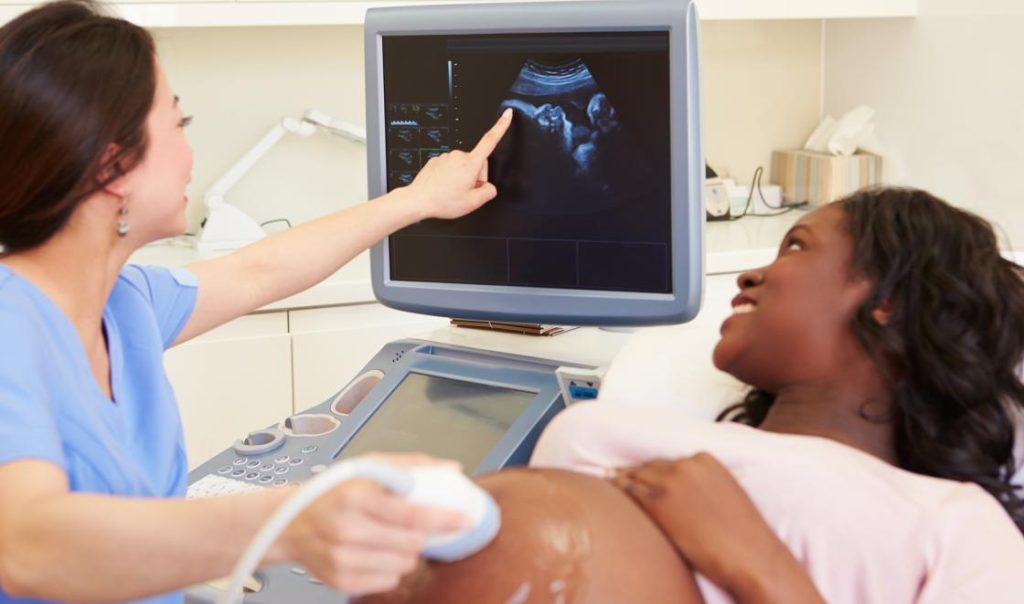
This study aimed to understand diverse women’s opinions of participation in pregnancy imaging research, including their priorities for future research.
Imaging is an element of many pregnancy research studies and reflects a number of landmark moments in a pregnancy. It is important that even if the research question is biomedically or technologically orientated, women from all backgrounds should be engaged so findings are generalisable to the whole population.
South London is home to major research centres producing leading imaging research related to pregnancy, and also one of the most culturally and socially diverse areas in the country. Participating in research can have many benefits for the individual and wider community, especially where research addresses a known health inequality such as ethnic disparities in pregnancy outcomes.
It is important that research is ethical and based on inclusive practices that reflect the perspectives and voices of the population it serves.
Project aim
To understand BAME women’s perspectives of the facilitators and barriers to participating in pregnancy-related research that involves ultrasound or MRI scans, and to co-create a top 10 list of the most important areas they want researched.
How the research was carried out
Community Advisory Group (CAG)
A women’s health Community Advisory Group (CAG) of up to eight members was recruited via King’s College London’s established women’s health PPI groups and partner charity Best Beginnings. The CAG included:
✓
Service users — women of all ethnicities, including expert and lay PPI members
✓
Partner organisations — charities, religious and community groups representing women
The CAG and academic research team formed a Research Steering Group (RSG), which also included a member of the ultrasound advisory group.
Two parallel study arms
Arm 1: Qualitative study
Interview and focus group-based qualitative study exploring BAME women’s perspectives on the facilitators and barriers to participating in pregnancy research involving ultrasound or MRI scans.
Arm 2: Priority Setting Partnership
A qualitative study following the NIHR James Lind Alliance (JLA) Priority Setting Partnership process — co-creating a top 10 list of areas BAME women most want researched in pregnancy imaging.
Key collaborators throughout the study
The research team collaborated with the Society and College of Radiographers and Best Beginnings throughout. Service users were involved from the start of project planning and included throughout the research cycle.
Potential benefits of the study
✓
Produce a deep understanding of how women may view participating in pregnancy research, assisting in improving study and recruiting planning at earlier stages of the research process
✓
Promote inclusive practices that improve representative research participant groups — ensuring findings from pregnancy imaging research apply to the whole population
✓
The priority setting partnership will demonstrate a good model of co-production, useful for clinical academic sonographers, radiographers, ultrasound scanning midwives and fetal medicine specialists
Meet the project team
 Zenab Barry Chair of Council, National Maternity Voices; Co-Chair Chelsea & Westminster MVP |



 Sharon Watty Sonographer & research assistant |



Related content
- →
Improving representation in maternity research — related project on ethnic minority women’s inclusion in maternity trials - →
Oxleas Perinatal Mental Health Services: Barriers and facilitators to access among women from Black and minority ethnic groups - →
Maternity and perinatal mental health research at ARC South London
Original source: arc-sl.nihr.ac.uk — NIHR ARC South London legacy content archived May 2026.